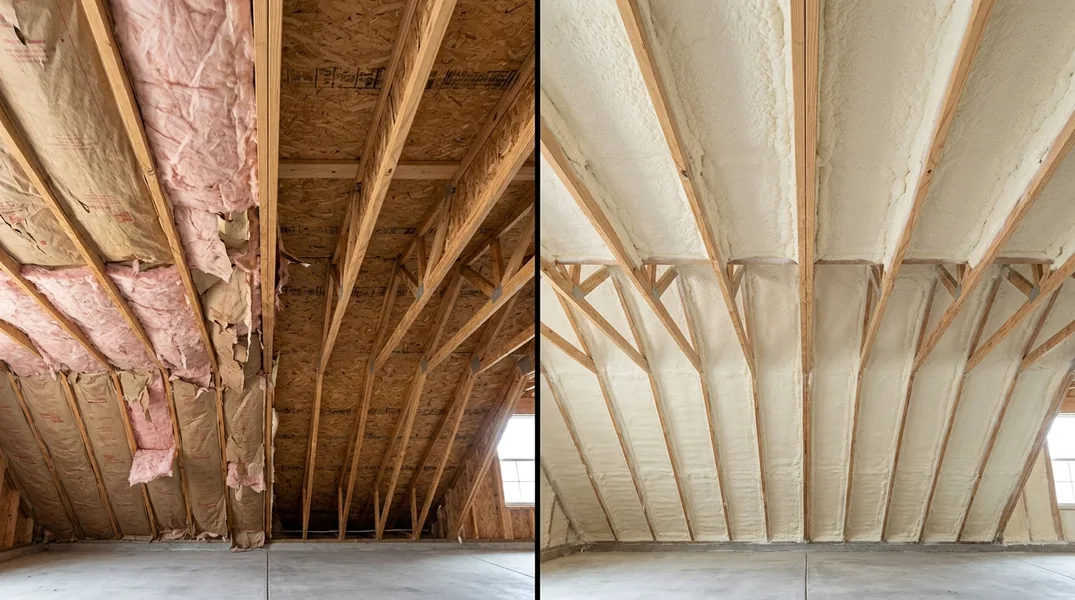
Is Spray Foam Insulation Worth It? The Honest Answer
If you own a home in Houston, you've probably heard the buzz about spray foam insulation. It promises superior energy efficiency, air sealing, and long-term savings on utility bills. But is it actually worth the investment for your home? The answer depends on your specific situation, budget, and priorities.
Spray foam insulation does deliver real benefits that traditional fiberglass cannot match. It creates an air-tight seal that prevents conditioned air from escaping, which is especially valuable in Houston's hot, humid climate where air conditioning costs can spike. However, like any home improvement product, spray foam comes with tradeoffs. Understanding both the advantages and the legitimate concerns will help you make an informed decision about whether this insulation method is right for your property.
Spray Foam Insulation Pros and Cons: A Balanced Look
The advantages of spray foam are significant and measurable. Attic Spray Foam Insulation provides exceptional R-value per inch, meaning you get more insulating power in less space. It expands to fill every gap, crack, and void, eliminating thermal bridging and air leaks that plague traditional insulation methods. This comprehensive air sealing reduces the load on your HVAC system, potentially lowering energy bills by 15 to 20 percent. Spray foam also resists moisture intrusion and discourages pest infiltration, which is a real concern in Houston's warm, humid environment.
On the flip side, spray foam insulation does have drawbacks worth considering. The upfront cost is substantially higher than fiberglass or cellulose. Installation requires specialized equipment and trained technicians, so you cannot DIY this project. Once applied, spray foam is permanent and difficult to remove or modify if you need to access walls or make structural changes later. Some homeowners also have concerns about the environmental impact of the manufacturing process and the chemicals involved in installation. Additionally, there are legitimate questions about off-gassing and indoor air quality that deserve careful attention.
Is Spray Foam Insulation Safe? What You Need to Know About Off-Gassing
Safety is a reasonable concern when considering any chemical product in your home. The good news is that spray foam insulation, when properly installed and cured, is considered safe by building codes and regulatory agencies. However, the installation process itself involves volatile organic compounds (VOCs), and the curing period does involve some off-gassing. Understanding the difference between installation safety and post-cure safety is crucial.
During application, spray foam releases isocyanates and other chemicals that can irritate eyes, skin, and respiratory systems. This is why professional installers wear protective equipment and why your home should be properly ventilated during and immediately after installation. Most manufacturers recommend staying out of the treated area for 24 to 48 hours while the foam cures. This off-gassing period is temporary, and once fully cured, spray foam becomes inert and does not continue releasing harmful chemicals into your home.
For homeowners in The Woodlands and surrounding areas, the key to safety is hiring a licensed, experienced contractor who follows proper installation protocols. Closed Cell Spray Foam Insulation and Open Cell Spray Foam Insulation both have strong safety records when installed correctly. If you have concerns about chemical sensitivity or off-gassing, discuss this with your contractor before work begins. Some people choose to stay with family or in a hotel during the curing period for extra peace of mind.
Common Spray Foam Insulation Problems and How to Avoid Them
While spray foam is generally effective, certain problems can arise from poor installation or unsuitable applications. One common issue is improper expansion or incomplete filling, which happens when the foam is applied too quickly or in unfavorable temperature conditions. Houston's heat and humidity can actually complicate installation if not managed properly. Another problem occurs when spray foam is applied over wet surfaces or in areas with moisture issues. The foam will trap moisture inside, potentially leading to mold growth or structural damage over time.
Inadequate ventilation during and after curing can also trap off-gassing chemicals in your home longer than necessary, causing discomfort or health concerns for sensitive individuals. Some homeowners have reported difficulties with contractors who fail to properly seal the perimeter or who use low-quality foam products that shrink or crack after installation. The best way to avoid these problems is to work with a reputable, locally established company that has strong references and a proven track record in your area. Ask potential contractors about their quality control measures, the specific products they use, and how they handle post-installation verification.
Attic Spray Foam Insulation Cost in Houston: What to Budget
Cost is often the deciding factor for homeowners considering spray foam. The pricing for spray foam insulation typically ranges from $1.50 to $3.50 per board foot, depending on whether you choose open cell or closed cell foam and the complexity of the job. For an average attic in Houston, homeowners should expect to invest between $1,500 and $5,000 for comprehensive coverage. This is significantly more than traditional fiberglass insulation, which might cost $500 to $1,500 for the same space.
However, the higher initial investment often pays dividends through energy savings and increased home value. Many homeowners recoup their spray foam investment within 5 to 10 years through reduced utility bills. Additionally, improved comfort, better moisture control, and enhanced structural integrity can extend the lifespan of your home's envelope. When evaluating cost, consider the long-term value rather than just the upfront price. If you're planning to stay in your home for at least five years, spray foam becomes a more attractive financial decision. To understand the specific cost for your property, reach out to Houston Spray Foam Insulation for a free estimate at (346) 322-2588.
Spray Foam vs. Traditional Insulation: Making Your Decision
Comparing spray foam to traditional insulation methods requires looking at performance, cost, and your specific needs. Fiberglass batts and blown-in cellulose are cheaper upfront and easier to install or modify later. They work adequately in most homes, but they don't seal air leaks as effectively as spray foam. If your primary concern is reducing energy bills and improving comfort in a hot, humid climate like Houston's, spray foam typically outperforms traditional options. The superior air sealing and moisture resistance make it particularly valuable in attics and crawl spaces where air leaks are most problematic.
Wall & Injection Foam Insulation offers another middle-ground option for existing walls where you cannot easily access the cavities. This method allows you to improve insulation without major renovation, though it doesn't provide the same comprehensive air sealing as full spray foam application. Ultimately, the right choice depends on your budget, timeline, and long-term goals for your home. If maximum energy efficiency and indoor comfort are priorities, and you plan to stay in your home for several years, spray foam is worth the investment. If you're on a tight budget or plan to move soon, traditional insulation may make more sense. Contact Houston Spray Foam Insulation today at (346) 322-2588 to discuss which solution is best for your situation.
Looking for a professional spray foam insulation contractor in Houston? Houston Spray Foam Insulation responds fast for all your spray foam insulation needs.
Get a Free Quote